
Editorial Perspective
“A masterclass in spatial compression and moral interrogation.”
Why It Matters
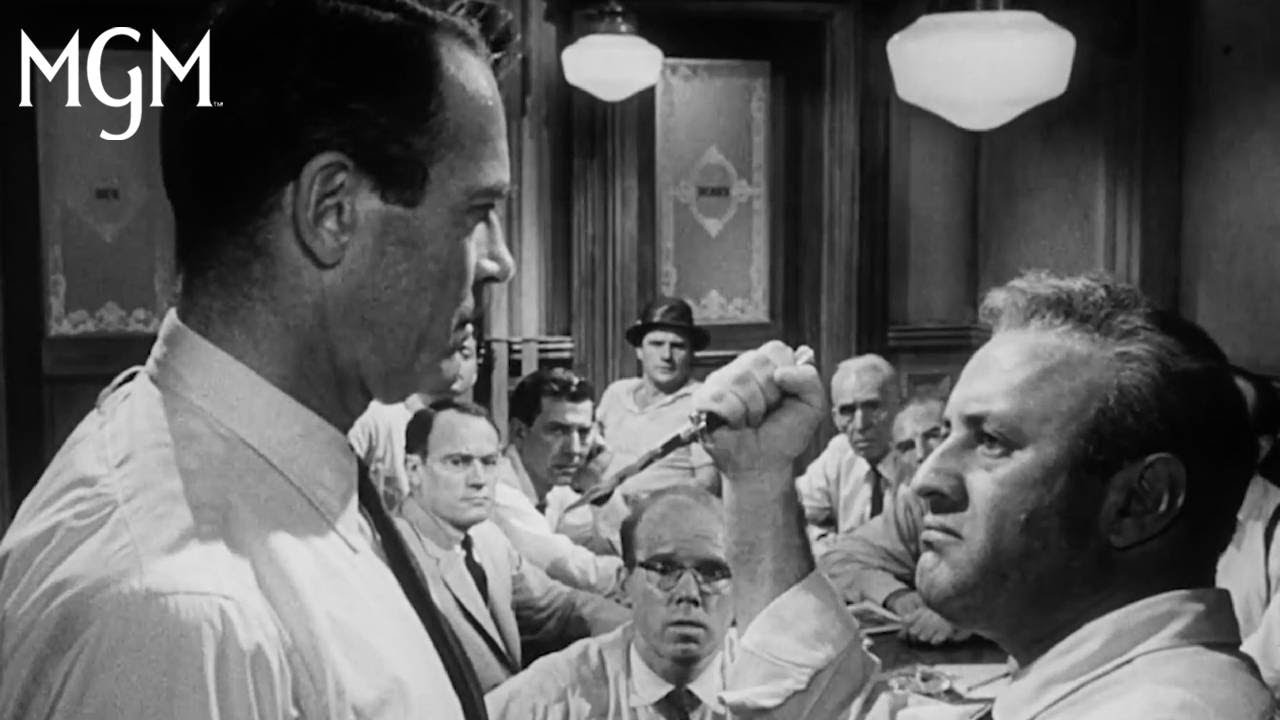
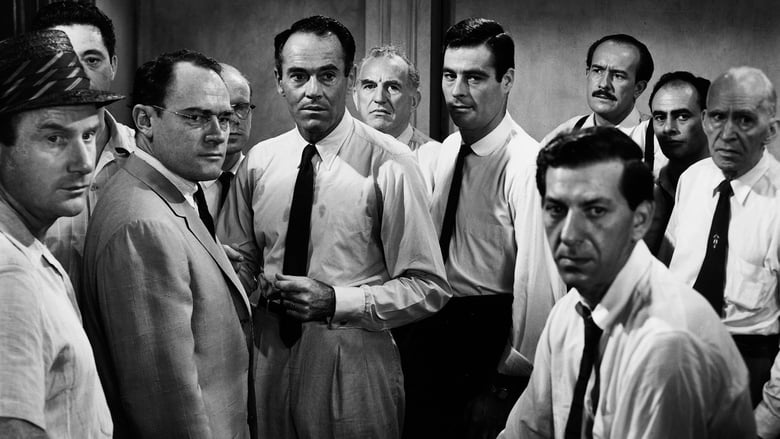
Lumet's directorial debut revolutionized chamber drama by proving that profound cinematic tension can be generated entirely through dialogue, focal length transitions, and the changing geometry of a single room.
Context
Emerging from the Golden Age of live television drama in 1950s America, the film captures the post-WWII anxieties surrounding democratic institutions, class prejudice, and civil rights. Cinematographer Boris Kaufman systematically shifted from wide-angle lenses at eye-level to telephoto lenses closer to the ceiling as the narrative progressed, physically constricting the atmosphere to mirror the jurors' psychological claustrophobia.
Viewing Experience
Legacy & Influence
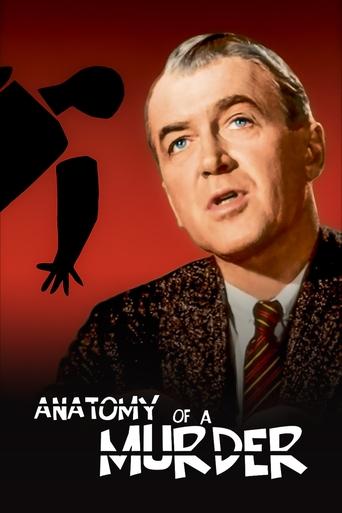
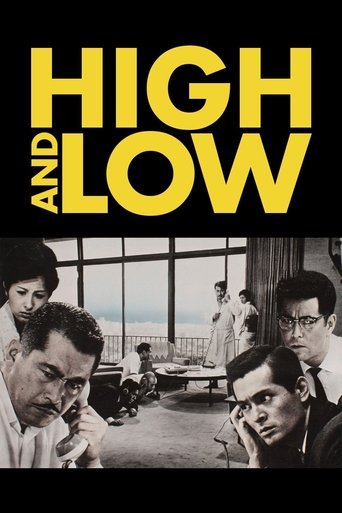
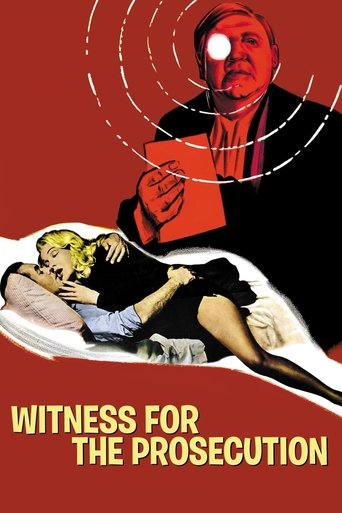
Established the definitive blueprint for legal and ethical courtroom drama across world cinema, influencing works from Akira Kurosawa's high-stakes dramas to modern procedural cinema.